
Cement is an indispensable material in the world of construction. Whether you’re working on a large-scale infrastructure project or a small DIY task, knowing how to handle cement properly is crucial for achieving a durable and stable structure. In the realm of small-scale construction, mastering the art of mixing cement becomes even more essential, as it directly affects the strength and longevity of your project. This comprehensive guide will provide detailed insights into DIY cement mixing, the essential cement mixing tools you’ll need, and Star Cement tips that can enhance your construction endeavors.
Understanding Cement: Composition and Importance
Cement, often referred to as the lifeblood of construction, serves as a binder in various building materials. It is primarily composed of limestone, clay, and gypsum. When combined with water, it forms a paste that sets and hardens over time, binding other materials like sand and gravel to form concrete. The composition of cement and the precision in its mixing determine the final product’s quality and resilience.
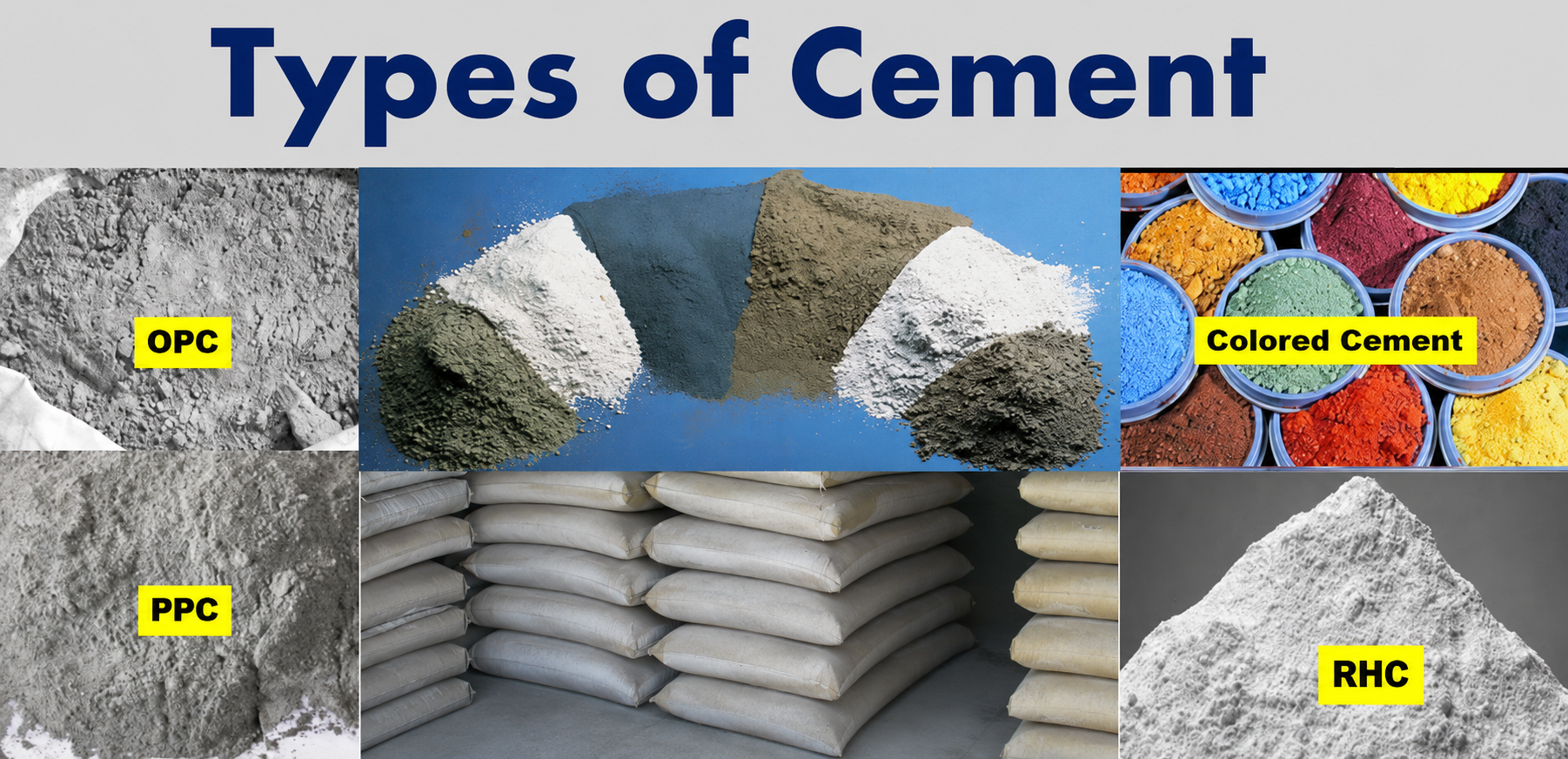
Types of Cement
There are several types of cement, each suited for different applications. The most common types include:
- Ordinary Portland Cement (OPC): Ideal for general construction purposes.
- Portland Pozzolana Cement (PPC): Known for its durability and resistance to chemicals.
- Rapid Hardening Cement: Used where early strength is required.
- Sulphate Resisting Cement: Suitable for structures exposed to soil or water with a high sulphate content.
Choosing the right type of cement for your small-scale project is crucial. Star Cement offers a range of high-quality options tailored to different construction needs, ensuring that your project stands the test of time.
The Importance of Proper Cement Mixing
The process of mixing cement is not just about combining ingredients. It's about achieving the right consistency and proportions to ensure that the cement can hold up under various conditions. Improper mixing can lead to weakened structures, which may crack or crumble over time, compromising the safety and durability of the construction.
DIY cement mixing involves mixing cement manually or using a mixer, especially for small-scale projects. The key is to achieve a homogeneous mixture where the cement is evenly distributed, ensuring maximum strength and stability.
Tools You Need for Mixing Cement
Having the right cement mixing tools is essential for a smooth and efficient mixing process. Here’s a detailed look at the tools you’ll need:
- Mixing Container: A wheelbarrow, large bucket, or a mechanical mixer can serve as your mixing container. For larger quantities, a mechanical mixer is more efficient, while a wheelbarrow or bucket works well for smaller batches.
- Hoe or Shovel: These are used for manually turning and mixing the cement with other materials. A hoe is particularly useful for mixing in wheelbarrows, while a shovel works well for larger, open spaces.
- Trowel: This tool helps in scooping, spreading, and smoothing the cement mix during application.
- Water Bucket: A clean bucket for measuring and adding water to the mix. The amount of water is critical to achieving the right consistency.
- Measuring Tools: To ensure the correct proportions of cement, sand, and aggregates, measuring tools like buckets or a scale are vital.
Using high-quality tools not only makes the mixing process easier but also ensures a consistent mix, leading to better results.
Step-by-Step Guide to Mixing Cement
Now that you have your tools ready, let's dive into the step-by-step process of mixing cement for your small-scale construction project.
1. Measure Your Ingredients
The success of DIY cement mixing heavily relies on the correct ratio of ingredients. A common mix ratio for concrete is one part cement, two parts sand, and three parts aggregate (gravel). This ratio can vary depending on the specific requirements of your project.
- Cement: Acts as the binding agent.
- Sand: Provides volume and helps in holding the mix together.
- Aggregates: Add strength to the final product.
2. Mixing the Dry Components
Start by placing the measured quantities of cement, sand, and aggregates into your mixing container. Using a hoe or shovel, thoroughly mix these dry ingredients. Ensure there are no pockets of unmixed material, as this can affect the uniformity of the final mixture.
3. Gradually Add Water
Begin adding water slowly to the dry mixture. It's essential to add water in small increments, mixing continuously. The goal is to achieve a thick, paste-like consistency. The mix should hold its shape when molded, but still be pliable enough to work with.
4. Achieve a Uniform Consistency
Continue mixing until the mixture is homogeneous, with no dry spots or excess water pooling. A well-mixed batch will have a smooth, even texture, ensuring the strength and durability of the structure.
Tips for Effective DIY Cement Mixing
Star Cement tips emphasize the importance of following best practices for mixing cement to ensure the quality of your small-scale construction projects. Here are some additional tips to enhance your cement mixing process:
- Mix in Batches: For smaller projects, mix only what you can use within a short time to prevent the cement from setting prematurely.
- Adjust for Weather: In hot weather, using cooler water can help slow the setting process, giving you more working time. Conversely, in cold weather, slightly warmer water can accelerate the setting time.
- Maintain Clean Tools: Cement can quickly harden on tools, making them difficult to clean. Wash your tools immediately after use to keep them in good condition for future projects.
- Consistency Checks: Regularly check the consistency of the mix throughout the process to ensure uniformity.
Star Cement: The Ideal Choice for Small-Scale Projects
When it comes to quality and reliability, Star Cement stands out as a top choice for both professional builders and DIY enthusiasts. Here’s why:
- Superior Strength: Star Cement products are formulated to deliver superior strength and durability, making them ideal for small-scale projects that require robust materials.
- Eco-Friendly Options: Committed to sustainability, Star Cement offers products that reduce the environmental impact of construction, making them a responsible choice for modern builders.
- Quality Assurance: Every batch of Star Cement undergoes stringent quality checks to ensure consistency and performance, giving you peace of mind and confidence in your construction.
Using Star Cement ensures that your DIY cement mixing efforts lead to successful, long-lasting structures.
Common Mistakes in Cement Mixing and How to Avoid Them
Even with the best intentions, mistakes can happen during the cement mixing process. Here are some common pitfalls and how to avoid them:
- Overwatering: Adding too much water can make the mix too runny, leading to weaker concrete that is more prone to cracking.
- Undermixing: Failing to mix the components thoroughly can result in uneven distribution, leading to weak spots in the structure.
- Ignoring Environmental Factors: Weather conditions can significantly affect the setting time and quality of the cement. Always consider temperature and humidity when planning your mixing and pouring schedule.
By being mindful of these common mistakes, you can ensure that your small-scale project is built to last.
Conclusion: Achieve Perfection in Cement Mixing with Star Cement
In small-scale construction projects, the way you mix your cement can make a world of difference. By following the right techniques, using the appropriate cement mixing tools, and applying Star Cement tips, you can achieve a mix that provides both strength and durability. Proper DIY cement mixing is an art that, once mastered, can significantly enhance the quality of your construction projects.
Ready to Build with Star Cement?
Choose Star Cement for your next small-scale project and experience the difference that quality materials can make. Visit our website or contact us today to learn more about our range of products and how they can support your construction needs.