
Cement is one of the most crucial building materials, and its quality directly affects the strength and durability of any construction project. However, storing cement properly in humid climates can be a challenge, as excess moisture can lead to lumps, reduced strength, and even complete wastage. To maintain its integrity, it is essential to follow specific storage practices that protect cement from humidity and extend its **cement shelf life**.
Cement is one of the most crucial building materials, and its quality directly affects the strength and durability of any construction project. However, storing cement properly in humid climates can be a challenge, as excess moisture can lead to lumps, reduced strength, and even complete wastage. To maintain its integrity, it is essential to follow specific storage practices that protect cement from humidity and extend its cement shelf life.
At Star Cement, quality is a priority, and that extends to ensuring proper storage and handling practices. Whether for individual construction projects or large-scale infrastructure development, following the right methods to store cement properly can make all the difference.
Understanding the Impact of Humidity on Cement Storage
Humidity is one of the biggest threats to cement storage. When exposed to moisture in the air, cement particles undergo a chemical reaction called hydration. This reaction leads to the formation of lumps and a decrease in strength, rendering the cement unusable for construction.
In humid regions, high levels of atmospheric moisture can quickly seep into cement bags if they are not stored properly. The impact includes:
- Formation of hard lumps, making the cement unusable.
- Reduction in cement shelf life, leading to financial loss.
- Weakened binding properties, affecting the overall structural integrity of a building.
- Increased waste and environmental concerns due to improper disposal.
Given these risks, it is crucial to follow the best Star Cement storage tips to ensure that cement remains in its best condition throughout its shelf life.
Best Practices to Store Cement Properly in Humid Climates
1. Choose the Right Storage Location
Selecting a suitable storage location is the first step in protecting cement from humidity. Cement should always be stored indoors in a dry, well-ventilated space. The storage area should have a firm foundation, be elevated to prevent ground moisture, and have adequate air circulation.
Key Considerations:
- Store cement in a waterproof warehouse with no leaks or damp walls.
- Keep cement bags at least 15–20 cm above the ground to prevent moisture absorption.
- Maintain a gap between cement stacks and the walls to allow proper air circulation.
By ensuring the right storage conditions, one can store cement properly and extend its usability even in humid conditions.
2. Use Moisture-Proof Packaging and Coverings
High-quality packaging plays a critical role in moisture protection for cement. Star Cement uses advanced packaging materials that reduce exposure to air and humidity, ensuring the cement remains fresh for longer.
Additional moisture-proofing measures include:
- Covering cement bags with plastic sheets or waterproof tarpaulins to block moisture from the air.
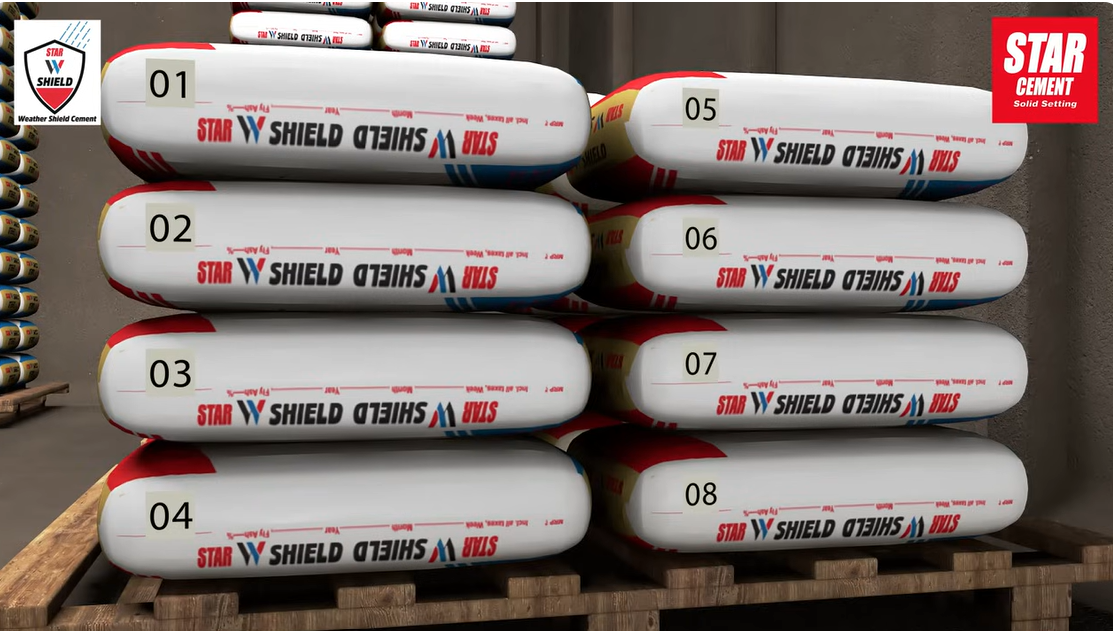
- Stacking cement bags in a pyramid or crosswise pattern to minimize air exposure.
- Sealing any openings in the storage space to prevent rainwater or excess humidity from affecting cement quality.
For large-scale storage, using airtight silos with dehumidifiers can further help in controlling moisture levels.
3. Implement a First-In, First-Out (FIFO) Storage Method
The cement shelf life is limited, and older cement should be used before newer stock. Implementing a First-In, First-Out (FIFO) method ensures that older cement is used first, reducing the chances of it absorbing excess moisture over time.
To apply FIFO effectively:
- Organize cement bags by their date of arrival.
- Clearly label storage sections to differentiate older and newer stocks.
- Regularly inspect stored cement to check for early signs of moisture absorption or hardening.
By following this approach, businesses and individuals can prevent wastage and maintain cement quality, even in humid climates.
4. Control Humidity Levels in the Storage Area
Humidity control is vital for moisture protection when storing cement. Using dehumidifiers, exhaust fans, or natural ventilation can help keep humidity levels in check.
Best practices for humidity control include:
- Keeping the storage space completely enclosed to minimize external moisture exposure.
- Using silica gel packets or other drying agents near stored cement.
- Maintaining an ideal temperature inside the storage area to prevent condensation.
Proper ventilation and temperature regulation are key factors in extending the cement shelf life and ensuring cement retains its strength.
5. Store Cement Away from Other Moisture-Prone Materials
Cement should not be stored near materials that release moisture, such as sand, bricks, or wet aggregates. If these materials are stored in the same area, there is a higher risk of cement absorbing excess moisture.
To further protect cement storage:
- Keep storage areas dry at all times and clean up any water spills immediately.
- Ensure there is a separate section for storing cement, away from damp construction materials.
- Avoid stacking cement bags directly on concrete or tiled floors, as they can retain moisture.
Maintaining these precautions will help store cement properly without compromising its strength and usability.
Star Cement’s Commitment to Quality and Storage Excellence
At Star Cement, maintaining the highest standards of cement quality is a top priority. The brand ensures that its cement products are packaged with moisture protection in mind, using advanced materials to prevent early hydration.
Additionally, Star Cement offers expert guidance to its customers on Star Cement storage tips, ensuring that builders and contractors know the best ways to store and handle cement in different climatic conditions.
Choosing Star Cement means choosing superior quality and reliability, whether for home construction or large-scale infrastructure projects.
Common Mistakes to Avoid in Cement Storage
Even with the best practices, some common storage mistakes can lead to cement deterioration. Avoid the following to ensure cement remains in optimal condition:
- Storing cement in open areas – Exposure to rain or humidity can make cement harden prematurely.
- Placing cement bags directly on the ground – Always elevate them to avoid moisture absorption.
- Stacking cement bags too high – Excessive height can cause compression and lumps.
- Not sealing opened cement bags properly – Once a bag is opened, transfer unused cement to an airtight container.
- Delaying cement usage – Try to use cement within three months of purchase for best results.
By avoiding these mistakes and following the right Star Cement storage tips, one can maintain cement quality even in humid climates.
Secure Your Cement’s Quality – Choose Star Cement!
Proper storage is essential to maintain the quality and strength of cement, especially in humid climates. By following the best practices outlined in this guide, one can store cement properly, extend its cement shelf life, and prevent unnecessary wastage.
With Star Cement, customers can be assured of superior packaging and expert storage advice, ensuring long-lasting performance in any climate. Whether for residential, commercial, or industrial projects, Star Cement remains the trusted choice for durability and quality.
For expert storage solutions and premium-quality cement, connect with the Star Cement team today!