
Understanding the water-cement ratio is crucial for building strong and durable structures. This fundamental aspect of concrete mixing directly affects the strength of cement, durability, and workability of the concrete. Whether you are a homeowner planning a renovation or a contractor working on large-scale projects, knowing how to calculate the right water-cement ratio for mortar is essential.
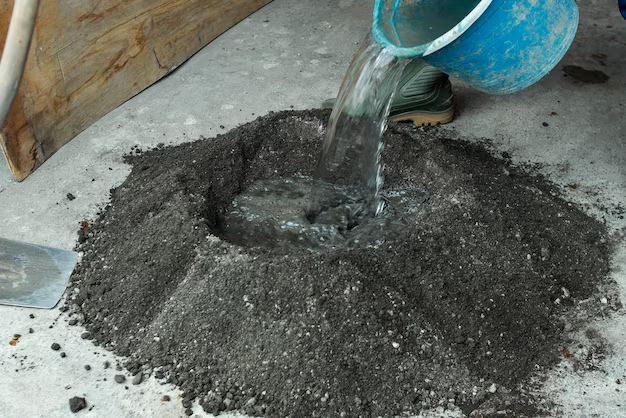
With Star Cement's high-quality products, achieving the correct water-cement ratio becomes easier, ensuring long-lasting, durable structures. Star Cement’s advanced manufacturing processes and strict quality control help optimize concrete mix efficiency for superior results.
In this guide, we will explain everything you need to know about the water-cement ratio, its significance, how to calculate it accurately, and why using high-quality materials ensures better construction outcomes.
What is the Water-Cement Ratio?
The water-cement ratio is the proportion of water in concrete to cement used in a concrete mix. It is expressed by weight and plays a pivotal role in determining the strength of cement and quality of the concrete. Too much water can weaken the structure, while too little can make the mixture unworkable.
Concrete gains strength through a chemical process called hydration. The right balance between Water:Cement ensures this process occurs optimally, resulting in robust and durable concrete. This balance is particularly vital for projects where weather conditions can impact water in concrete curing.
Why is the Water-Cement Ratio Important?
- Strength and Durability: A lower water-cement ratio for mortar typically leads to stronger and more durable concrete. Using premium-quality products ensures this balance is maintained.
- Workability: The water required per bag of cement is a critical factor that affects how easily the concrete can be mixed, transported, and poured. For projects involving water in concrete, achieving the right consistency is vital.
- Crack Resistance: Incorrect water-cement ratio for mortar can lead to cracks as the concrete dries, compromising the structure's integrity.
How to Calculate the Water-Cement Ratio
A standard water-cement ratio for general construction ranges from 0.40 to 0.60. Consulting experts can help determine the right ratio for a project. Additionally, using a water-cement ratio table simplifies the process by providing pre-calculated values for different concrete strengths.
A standard water-cement ratio for general construction is usually between 0.40 to 0.60. Consulting with experts can help you find the ideal ratio for your project. Using a water-cement ratio table can also simplify the process by providing pre-calculated values for different concrete strengths.
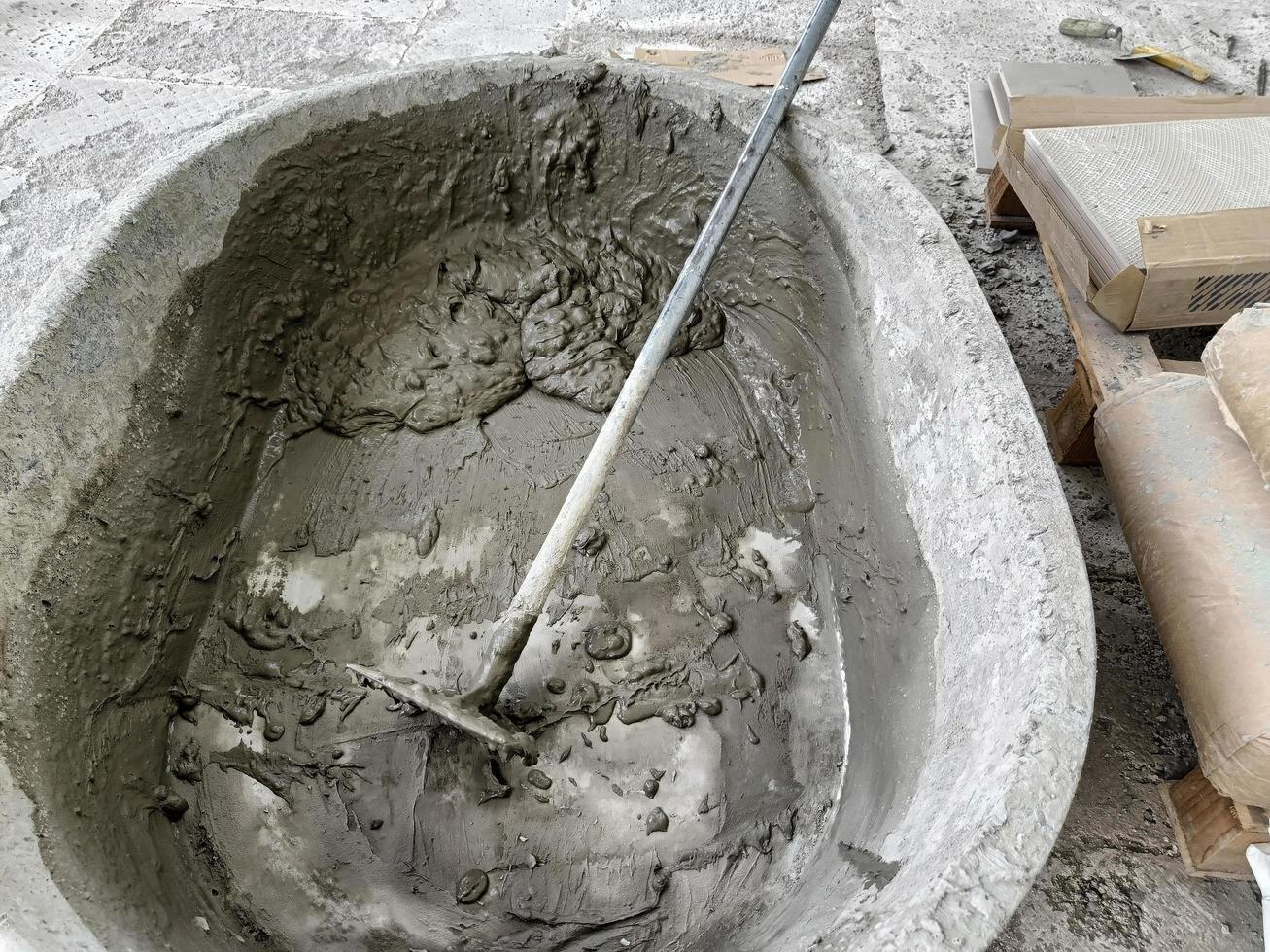
Factors Influencing the Ideal Water-Cement Ratio
- Type of Construction: Residential buildings may require a different water-cement ratio for mortar compared to industrial or commercial projects. High-rise buildings often need a lower ratio for added strength, while residential homes may have a slightly higher ratio for ease of application. Large infrastructure projects benefit from consulting a water-cement ratio table to ensure precise calculations.
- Weather Conditions: In regions with high humidity or extreme temperatures, controlling the cement water content is essential. For instance, in areas with heavy rainfall, excess moisture can alter the water in the concrete mix, affecting its curing process. Protective measures like curing compounds help maintain the ideal water-cement ratio for mortar under variable conditions.
- Quality of Materials: Using high-quality cement ensures better performance. Always select clean, durable cement water aggregates to maintain mix consistency. Inferior aggregates can disrupt the hydration process and reduce the strength of cement. Refer to a reliable water-cement ratio table to ensure accurate measurements for your chosen materials.
- Project Specifications: Some structures require a specific water-cement ratio for mortar to meet design demands. For example, load-bearing columns or waterproof applications may need a waterproof cement mix ratio to prevent water ingress and increase durability. Proper planning and following a water-cement ratio table ensures that these specialized projects meet safety standards.
Steps to Ensure the Right Water-Cement Ratio
- Measure Accurately: Always use precise measurements to avoid guesswork. Small inaccuracies can significantly impact the strength of cement. A water-cement ratio table provides clear guidelines for different structural needs.
- Check Cement Quality: Using high-grade cement improves the water in the concrete mix's performance. Ensure the water required per bag of cement is measured accurately to maintain the intended mix strength.
- Monitor Moisture Content: Account for the moisture already present in the aggregates while calculating the cement-water ratio. Failure to do this can lead to an incorrect water-cement ratio for mortar, resulting in weaker concrete.
- Trial Mix: Perform a trial mix to verify the water-in-concrete ratio. This helps identify potential issues before full-scale application. Always follow a water-cement ratio table for more precise and repeatable outcomes.
Common Mistakes to Avoid
- Excess Water: Adding too much cement water weakens the concrete and increases the likelihood of shrinkage cracks. Always adhere to the correct water-cement ratio for the mortar to ensure durability.
- Insufficient Water: Without enough water in concrete, the cement will not fully hydrate, leading to brittle and weak structures. Use a water-cement ratio table to confirm the exact water required per bag of cement is maintained.
- Ignoring Aggregate Moisture: Failing to account for the moisture present in the aggregates can disrupt the intended water-cement ratio for mortar, affecting both strength and workability.
Why Choose High-Quality Cement for an Accurate Water-Cement Ratio?
Using premium cement ensures that the calculated water-cement ratio delivers strong, durable results. Adhering to the right water cement ratio table helps standardize processes and minimizes errors. High-grade materials also improve the waterproof cement mix ratio, which is critical for structures exposed to water or harsh environmental conditions.
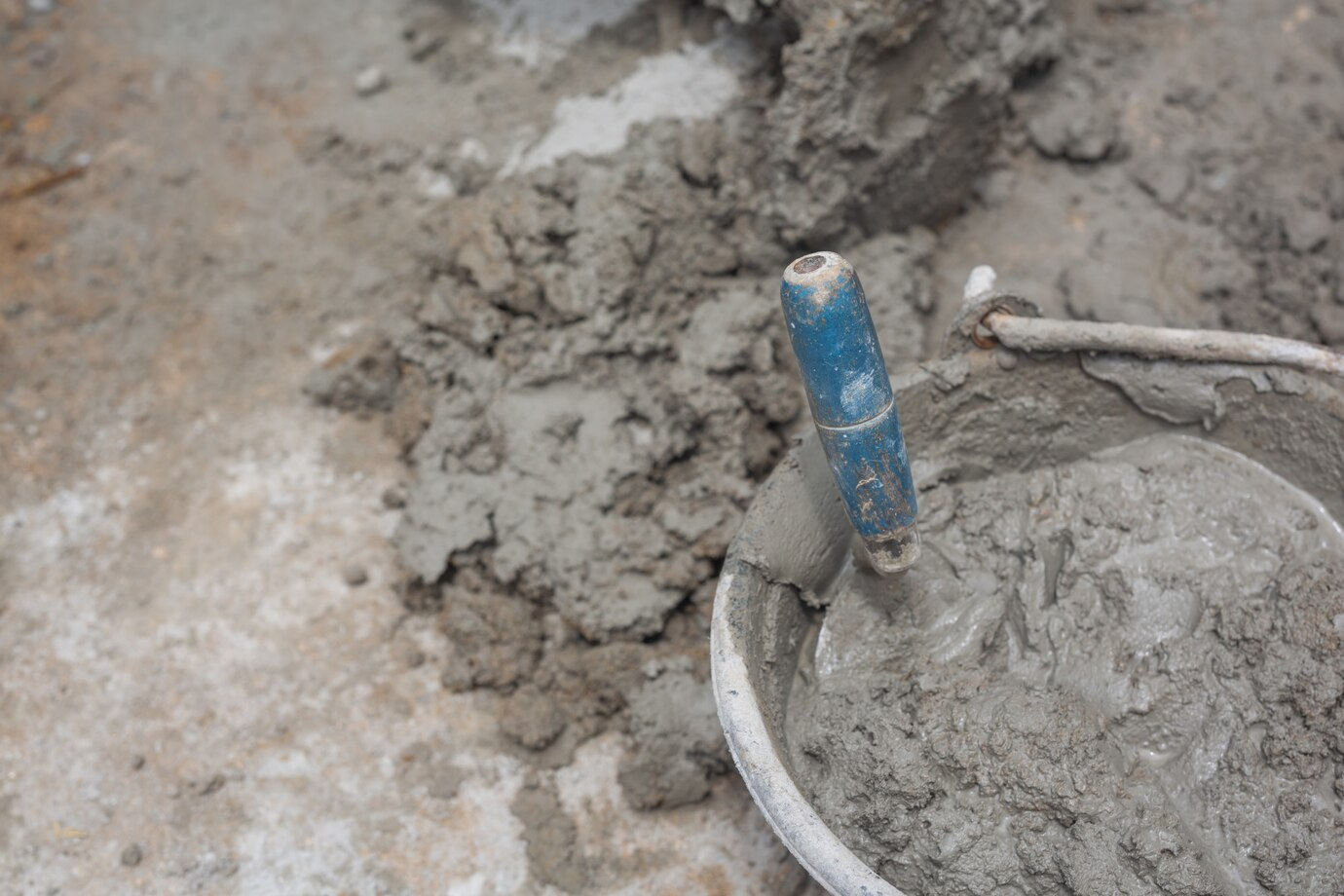
Whether working on residential homes, industrial projects, or waterproofing applications, maintaining the correct water-cement ratio for mortar is vital. Following industry best practices and using high-quality cement enhances the strength of cement and ensures long-lasting, safe structures.
Accurately calculating and maintaining the water-cement ratio is fundamental to building strong, durable, and safe structures. By understanding its significance and following best practices, you can achieve optimal results. Always consult a reliable water-cement ratio table and ensure the water required per bag of cement is measured precisely.
From residential projects to large-scale infrastructure, maintaining the correct water-cement ratio for mortar ensures superior performance. By prioritizing quality materials and precise measurement, you safeguard your investment and ensure long-term structural integrity.
Build Stronger with Star Cement’s Superior Cement Quality
Accurately calculating and maintaining the water-cement ratio is fundamental to building durable and safe structures. Star Cement’s premium products ensure precise hydration, optimizing concrete strength.
By choosing Star Cement, professionals and homeowners can build structures that withstand time and environmental conditions. Whether you’re working on a home, commercial space, or large infrastructure, selecting high-quality cement is essential for ensuring long-lasting, crack-resistant concrete.
For optimal strength, workability, and durability, trust Star Cement—your partner in building excellence.