
Follow these cement storage guidelines to protect PPC cement, OPC cement, and ensure effective bulk cement handling for long-lasting construction quality.
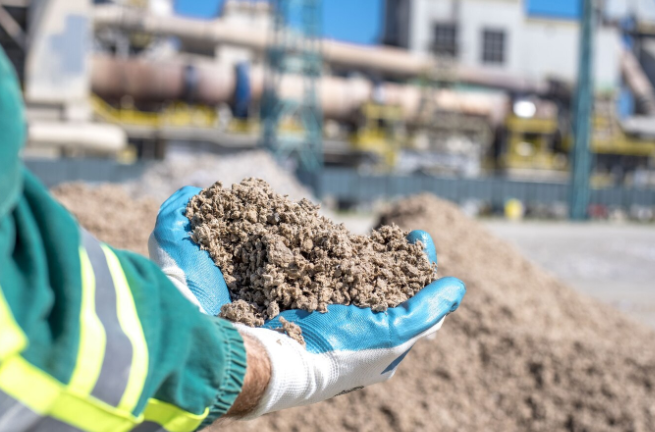
Cement is the backbone of construction, playing a vital role in ensuring the strength and durability of structures. However, its quality can deteriorate if not stored properly. Improper storage can lead to moisture absorption, lump formation, and a significant reduction in cement's binding properties. This is why following cement storage guidelines is crucial for maintaining its integrity.
Star Cement, a leader in high-quality cement products like PPC cement, OPC cement, and specialized solutions such as Star Weather Shield Cement, ensures superior performance when stored under optimal conditions. Whether dealing with bulk cement handling or bagged cement, implementing the right storage practices help prevent losses and ensure long-lasting structures.
In this article, we will explore seven essential cement storage tips that will help maintain its quality and enhance the durability of your construction projects.
1. Store Cement in a Dry and Covered Area
Moisture is the biggest threat to cement quality. Even small amounts of water exposure can lead to the formation of hard lumps, making the cement unsuitable for construction.
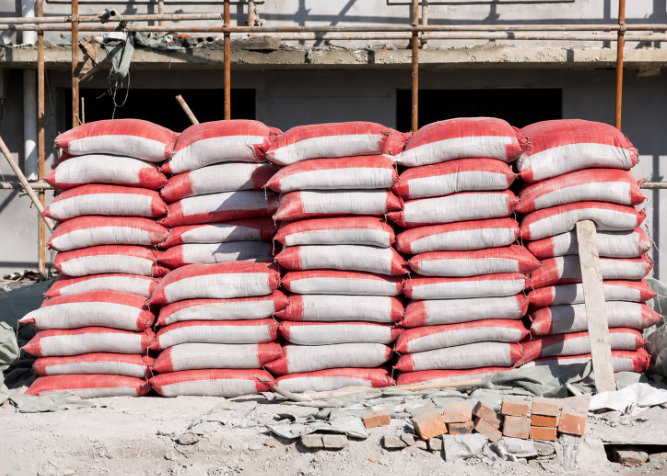
Best Practices for Dry Storage:
- Always store cement in a fully covered warehouse or godown that protects it from rain, humidity, and temperature changes.
- The storage area should have a leak-proof roof and moisture-resistant walls to prevent any water penetration.
- Avoid storing cement outdoors, even under temporary covers, as fluctuating humidity levels can still impact its quality.
- Ensure that water pipes, drains, or any potential sources of leakage are kept away from the storage area.
For bulk cement handling, silos should be airtight and equipped with dehumidifiers to prevent condensation inside the storage unit.
Recommended Star Cement Product:
Star Cement OPC – A high-strength Ordinary Portland Cement (OPC) ideal for structural applications
2. Keep Cement Bags Elevated from the Ground
Direct contact with the ground can cause cement to absorb moisture, leading to clumping and reduced binding properties. Cement bags should always be stored on an elevated platform to prevent damage.
How to Store Cement Bags Correctly:
- Place cement bags on wooden planks, metal sheets, or plastic pallets raised at least 6 inches above the ground.
- The floor should be made of damp-proof material like concrete with a moisture-resistant coating.
- Maintain a 2-foot gap between the cement stacks and the warehouse walls to allow proper air circulation.
- If storing cement for an extended period, cover it with plastic sheets or tarpaulin to add an extra layer of protection.
In bulk cement handling, ensure that the silo bottom is insulated to prevent moisture seepage from the ground.
Recommended Star Cement Product:
Star Cement PPC – A durable Portland Pozzolana Cement (PPC) known for superior strength and moisture resistance.
3. Follow the First-In, First-Out (FIFO) Principle
Cement has a limited shelf life, and using older stock first ensures that it remains fresh and effective. The First-In, First-Out (FIFO) principle helps in maintaining cement quality and reducing wastage.
FIFO Cement Management:
- Label all cement bags with their date of arrival to track inventory efficiently.
- Always use older cement first before moving to newly received stock.
- Regularly inspect stored cement for hard lumps or deterioration and remove compromised bags immediately.
For bulk cement handling, proper rotation of stored cement in silos ensures that older stock is used first, preventing any material from hardening over time.
4. Protect Cement from Extreme Temperatures
Temperature fluctuations can cause condensation inside storage areas, leading to moisture buildup and cement degradation. Proper insulation is essential to maintain a stable environment
Temperature Control in Cement Storage:
- Store cement in well-ventilated warehouses that allow air circulation to prevent heat buildup.
- In hot climates, use *reflective roofing sheets or insulation panels** to reduce excessive heat absorption.
- In cold weather, avoid placing cement storage units near exterior walls, as these areas tend to become damp.
- Maintain an optimal storage temperature between 10°C and 30°C to prevent premature setting.
Using high-quality PPC cement or OPC cement from Star Cement helps ensure that construction materials perform optimally, even in varying weather conditions
Recommended Star Cement Product:
Star Dhalai Master Cement – Designed for large-scale construction projects requiring enhanced durability and bonding strength.
5. Prevent Overloading and Excessive Stacking
Overstacking cement bags can exert pressure on the lower layers, leading to premature hardening and reduced usability
Best Practices for Cement Stacking:
- Stack cement bags no more than 10 layers high to prevent excessive weight on lower bags.
- Arrange bags in a crosswise stacking pattern to ensure stability and proper weight distribution.
- Rotate stacks periodically to relieve pressure on older bags.
For bulk cement handling, silos should be equipped with mechanized distribution systems to prevent excess accumulation at one point.
Recommended Star Cement Product:
Star Weather Shield Cement – Engineered for superior protection against weather-induced deterioration.
6. Avoid Direct Contact with Walls and Ceilings
Cement bags placed directly against walls or ceilings are more prone to moisture absorption.
How to Prevent Cement from Absorbing Moisture:
- Keep cement at least 2 feet away from storage walls to allow air circulation.
- Avoid stacking bags against the warehouse ceiling, as condensation from the roof can drip onto them.
- Use plastic sheeting, tarpaulin, or moisture-proof linings as additional protection.
These cement storage guidelines ensure that PPC cement and OPC cement maintain their strength and binding properties over time.
7. Conduct Regular Inspections and Quality Checks
Periodic inspections help detect any issues before they result in material losses.
Inspection Checklist for Cement Storage:
- Check for lumps, moisture patches, or hardened bags during weekly inspections.
- Ensure proper ventilation in the storage area.
- Monitor humidity levels using digital sensors for bulk storage systems.
- Train storage personnel to identify early signs of deterioration and take corrective action.
For bulk cement handling, automated monitoring systems can track temperature and humidity levels to prevent cement degradation.
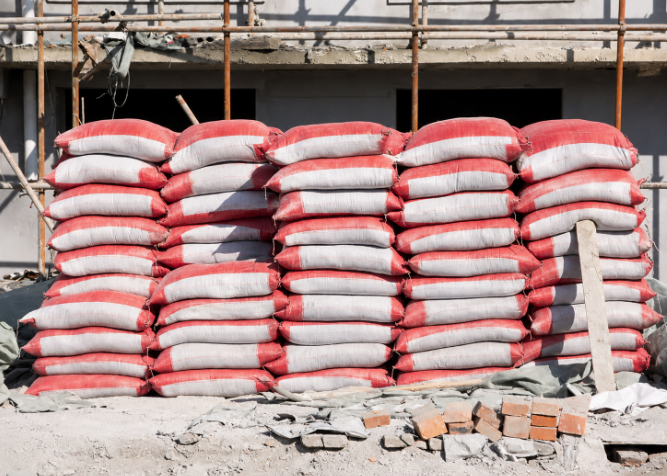
Secure the Best Cement with Proper Storage Practices
Proper cement storage guidelines are essential for maintaining cement quality and ensuring strong, durable construction. Whether working with OPC cement, PPC cement, or managing bulk cement handling, following these seven essential tips will prevent deterioration and enhance performance.
For high-quality cement, trust Star Cement, known for its premium OPC, PPC, and Weather Shield Cement. Choose the best for your construction needs today!
Get in Touch for the Best Cement Solutions
Star Cement is committed to maintaining the highest standards of cement quality, backed by innovative storage-friendly formulations. Whether you need bulk cement handling solutions or expert advice on cement storage guidelines, reach out today for reliable and high-performance cement.
Explore Star Cement Products and build with confidence!